Roof Demolition Services in Philadelphia
Demolition Without Structural Damage or Water Intrusion
We handle roof demolition in Philadelphia the careful way. Phased takedown, full fall protection, and immediate weather protection mean the interior stays dry and the site doesn’t turn into a swimming pool if it rains.
Why Roof Work Is Riskier Than It Looks
Most commercial roofs in Philadelphia are built-up systems — layers of tar, gravel, insulation, and membrane that have been up there 30–50 years. Roof demolition in Philadelphia involves more risk than most people expect.
Many commercial buildings have built-up roofing systems made of multiple layers including tar, gravel, insulation, and membrane that have been in place for decades. These materials often contain asbestos and require controlled handling.
Improper removal can expose the structure to weather, weaken underlying components, or lead to compliance violations that stop the project. We approach roof demolition with a controlled process that protects both the building and the timeline.
Phased Removal From the Edges In
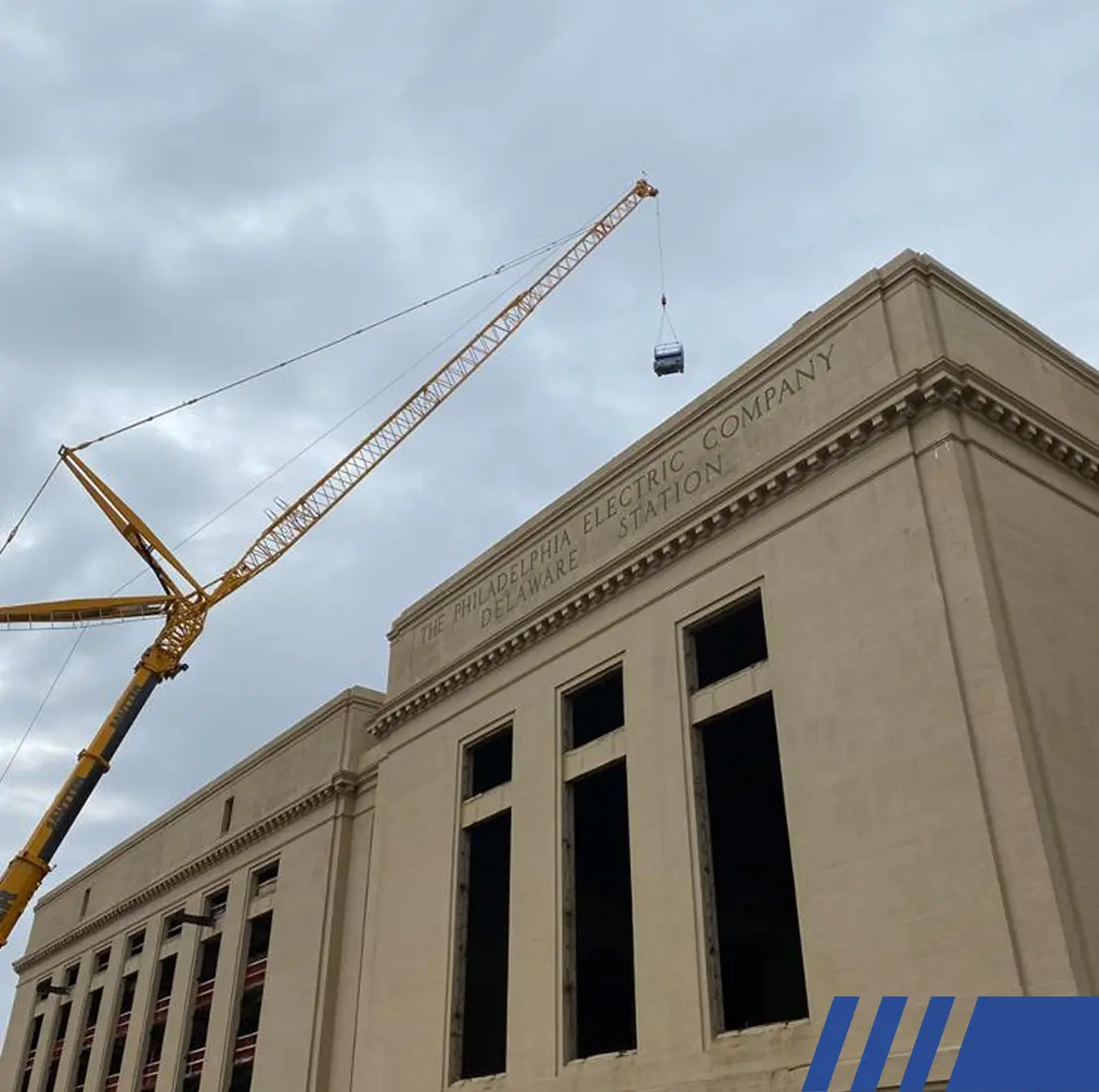
We remove roofing systems in controlled phases to prevent exposure to weather. Instead of opening large sections at once, we work in smaller areas and secure each section before moving forward.
Temporary coverings are installed immediately so the building remains protected even if conditions change. This prevents water intrusion and eliminates the risk of interior damage that can delay the project.
Fall Protection That Actually Works
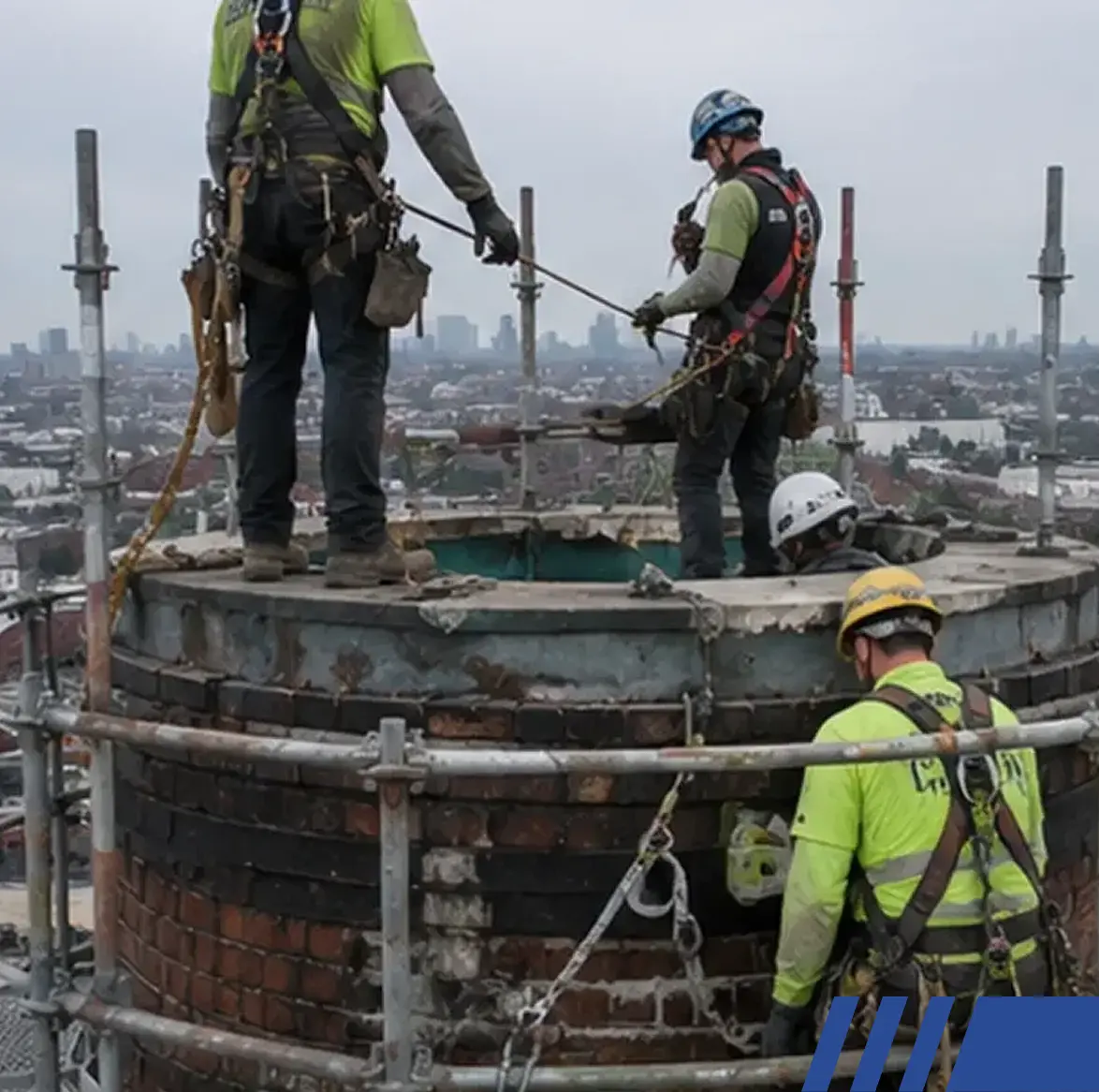
Roofs are high-hazard zones. We set up guardrails, safety nets, or personal fall arrest systems depending on the pitch and height. Every guy on the roof is tied off or behind a rail the whole time. No exceptions. OSHA has seen too many falls on demo jobs. We don’t add to the list.
Debris Control on the Roof
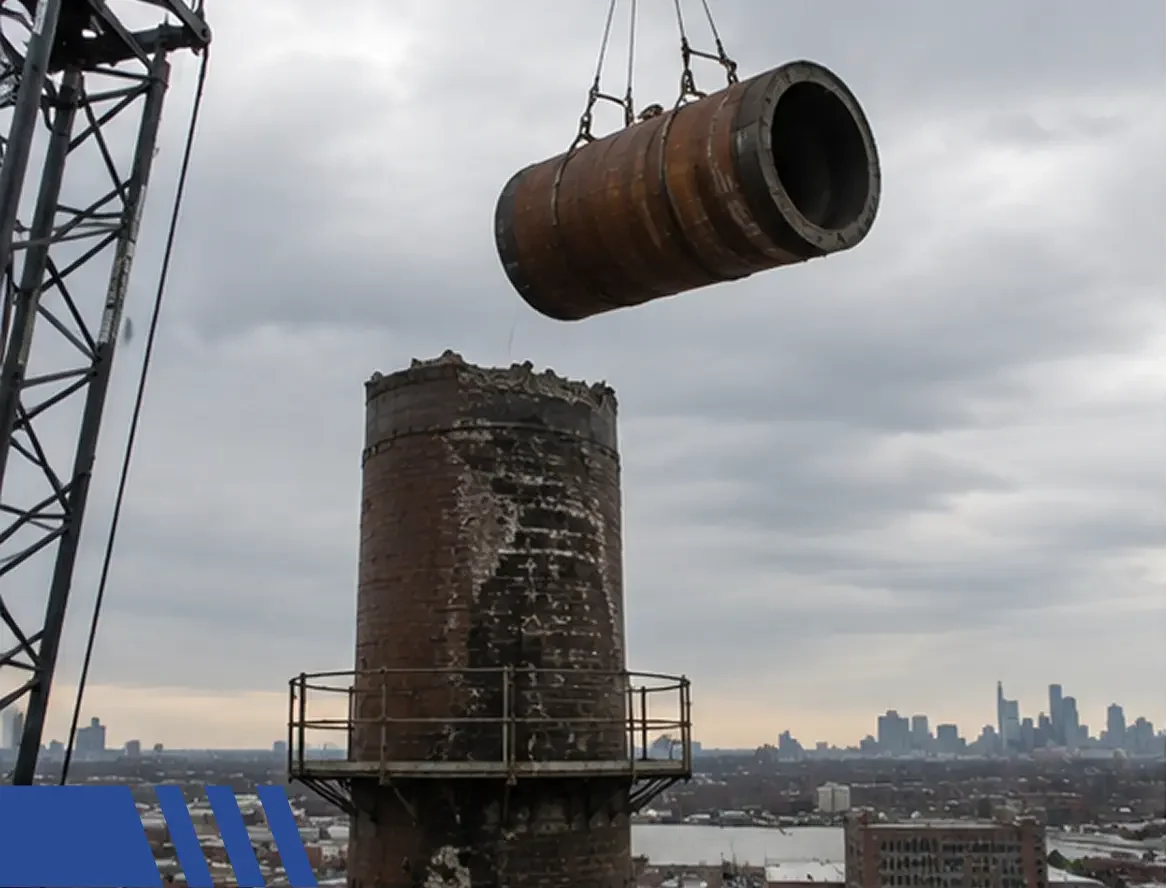
Roof material is heavy and messy. We use chutes or buckets to lower everything down controlled so nothing crashes through windows or hits the street. Debris gets sorted on the ground — gravel, membrane, insulation — and hauled same day. The roof deck stays clean enough for the next crew to walk on safely.
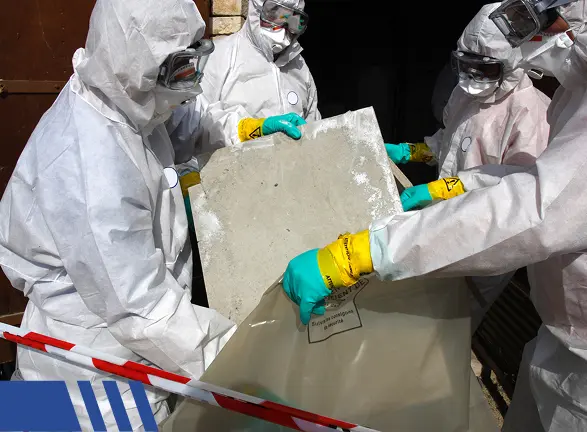
Asbestos Checks Before We Touch Anything
Asbestos is commonly found in older roofing systems and must be addressed before demolition begins.
We coordinate licensed inspections, testing, and abatement when required. This includes containment, air monitoring, and clearance procedures that meet both city and federal standards.
If this step is handled incorrectly, projects can be shut down. We ensure everything is completed properly so work can proceed without interruption.
Protecting the Deck and Structure Below
Protecting the structural deck is critical during roof demolition. Excess weight or improper removal can damage the structure below, leading to costly repairs and delays. We monitor load conditions throughout the process and use temporary support when needed.
Exposed areas are covered immediately to prevent water intrusion and deterioration, ensuring the building remains stable and ready for the next phase.
Why Developers Contact Us for Roof Demolition
Developers rely on Philly Class A for roof demolition because mistakes at this stage can create major problems.
Water intrusion, structural damage, or compliance issues can delay the entire project. We prevent those risks by executing the work with controlled sequencing and constant protection of the building. The result is a structure that remains stable, dry, and ready for the next phase.
A Clear Process That Removes Risk Early
Demolition problems almost always start before work begins. Our process is designed to identify risks early, define the scope clearly and eliminate surprises once the project is underway.

STEP
Get In Touch
The process begins with a call or message to discuss your project goals, timeline and concerns. This initial conversation helps determine whether an onsite review is needed and what level of planning will be required.

STEP
Onsite Investigation
An onsite meeting allows us to evaluate existing conditions, identify risks and understand what the project truly requires. This step is critical to preventing scope gaps later and as a result, we come out multiple days.

STEP
Quote Provided
After the site review a detailed scope and quote are provided based on real conditions not assumptions. This allows pricing to remain stable once work begins.
Start Your Roof Demolition With a Clear Plan
Schedule a walkthrough and we will identify risks, define the approach, and give you a clear plan so demolition does not slow your project down.