Chimney Demolition in Philadelphia
Safe and Controlled Removal of Industrial Chimneys and Stacks
We remove industrial stacks and boiler chimneys using controlled dismantling, engineered rigging, and full compliance so surrounding structures stay protected and your project stays on schedule.
Why Chimney Demolition Is a Specialized Job
Chimneys and smokestacks in Philadelphia are often very tall and decades old. Many were built for factories and power plants that ran on coal or oil. They are made of brick, steel, or concrete and frequently contain heavy concrete liners inside.
Because they stand high above the roofline, any mistake during demolition can send heavy pieces crashing through the building or onto the street below.
We have taken down chimneys all over the city. From old textile mills in Kensington to power plants near the river and factories in the Northeast. Each one taught us something new about how these structures behave and how to bring them down without causing problems for neighbors or the city.
Thorough Inspection Before Any Work Starts
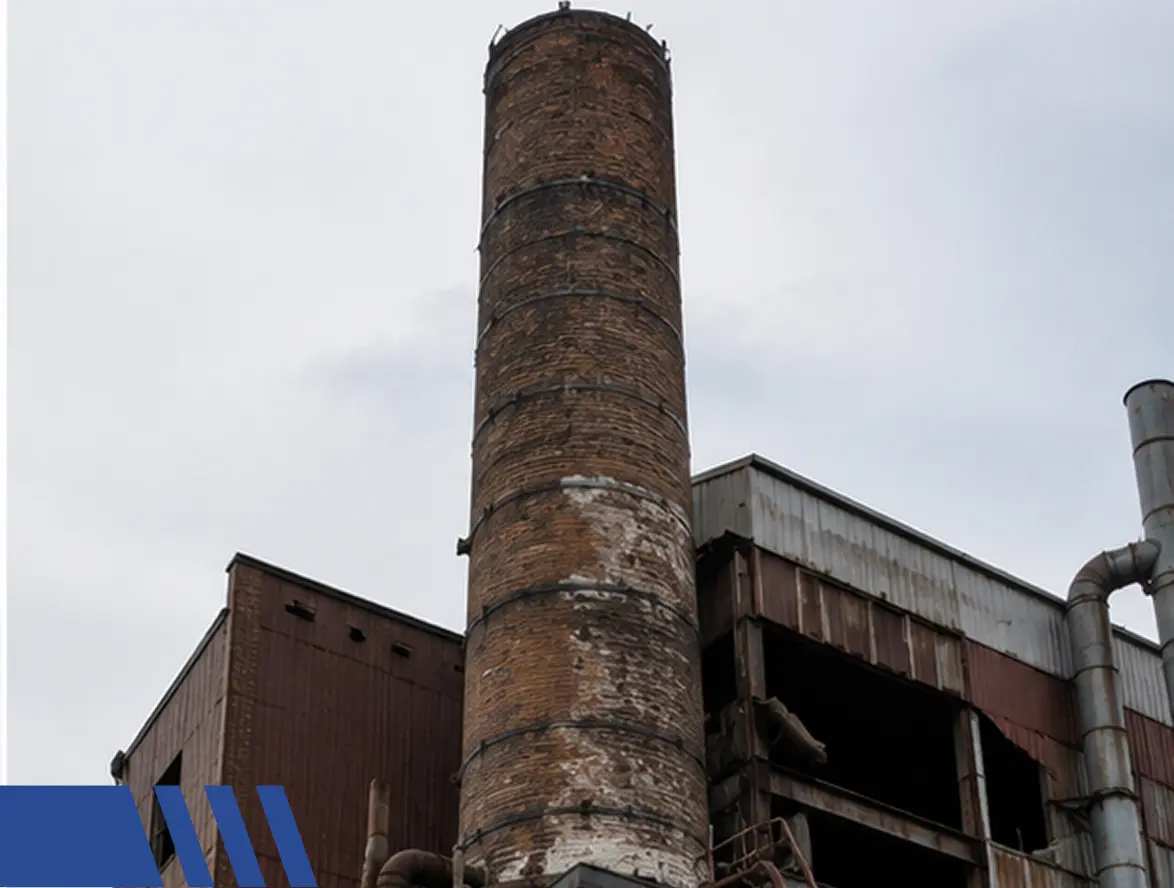
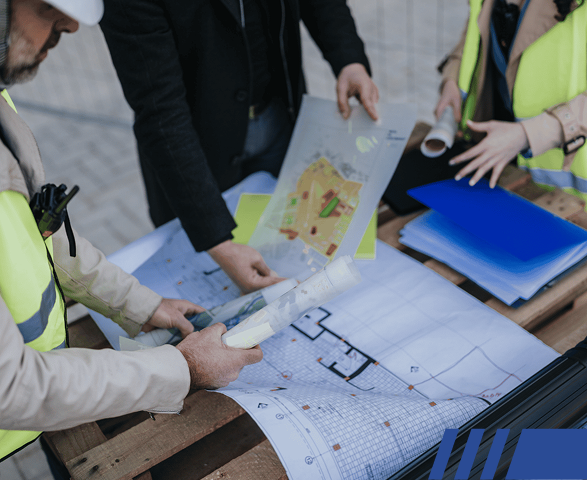
We never rush into chimney work. Every job begins with a close inspection. Our team checks the condition of the brickwork, mortar joints, steel supports, and interior liner.
We look for cracks, loose sections, and signs of corrosion. We also bring in structural engineers to evaluate how the chimney connects to the main building and whether temporary bracing is needed.
This assessment tells us the safest way to take it down. Some chimneys come down in sections from the top. Others need to be rigged and lowered in large pieces. We create a written plan that gets submitted to L&I for approval before we touch anything.
Asbestos Management Built In
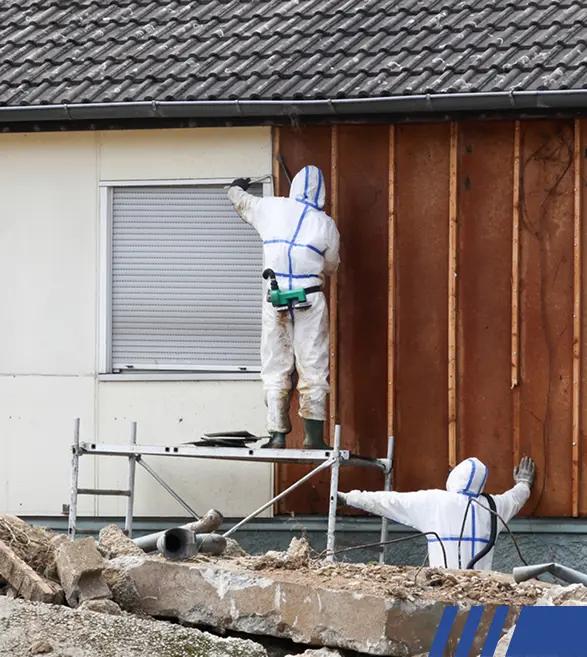
Old chimneys in Philadelphia almost always contain asbestos in mortar, liners, or insulation. If this is not handled correctly, it can trigger immediate stop-work orders and delay the entire project.
We address this early with certified inspections and integrated abatement. By handling this process in coordination with demolition, we eliminate downtime between phases and ensure the project stays compliant from start to finish.
Sectional Dismantling From the Top Down
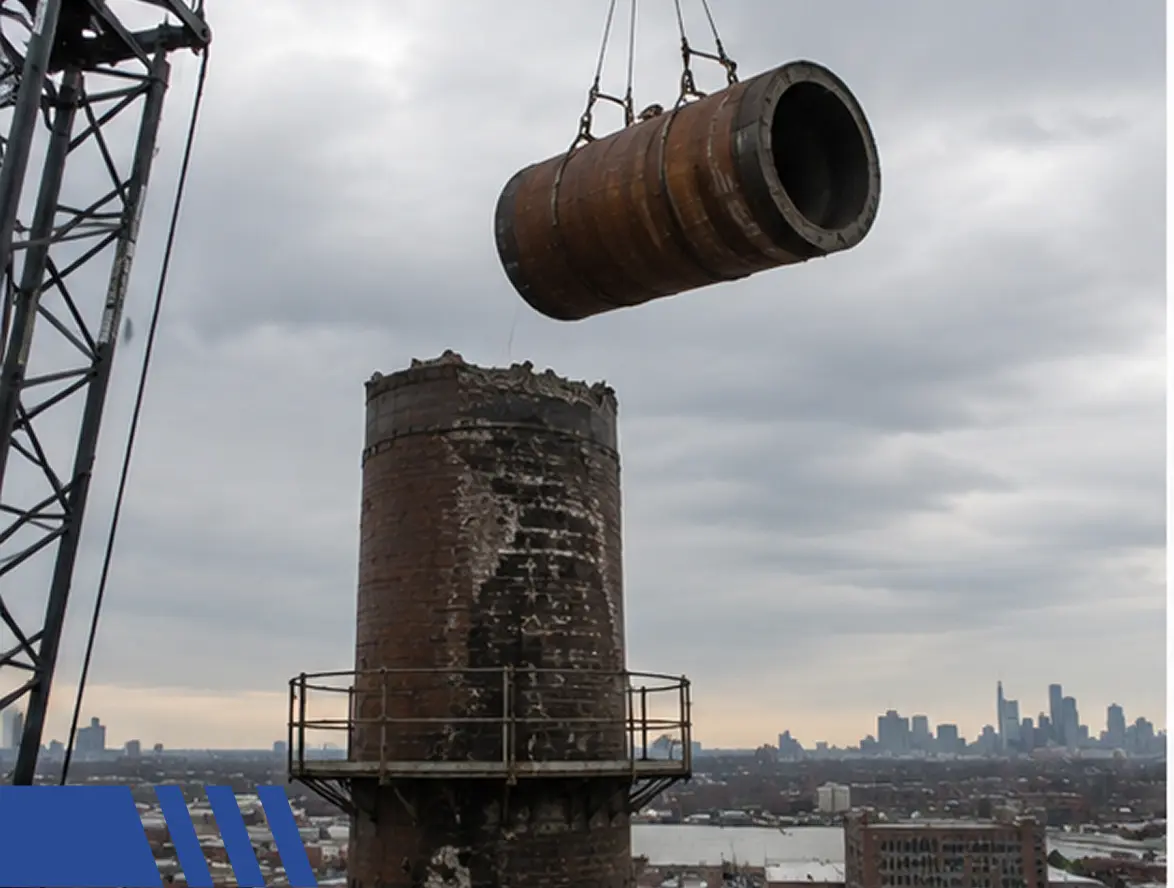
Most chimneys are too tall and unstable to drop in one piece. We use cranes and rigging systems to take them down in controlled sections. The work usually starts at the very top. We cut and lower each section carefully using slings and tag lines so nothing swings into the main building or neighboring properties.
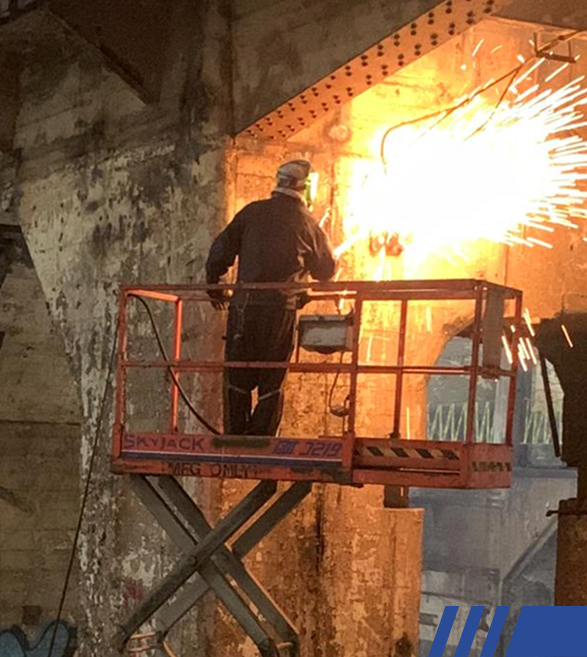
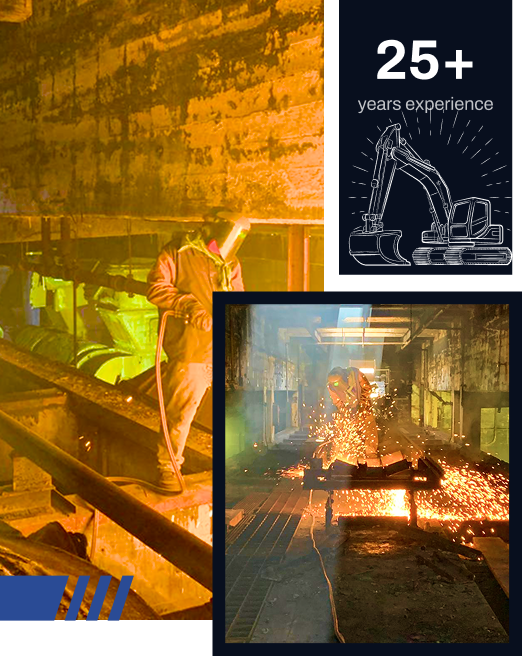
For brick chimneys we often use mechanical methods with smaller equipment to avoid sending debris flying. For steel stacks we use torches to cut through the metal in planned segments. Every piece gets lowered to the ground instead of dropped. This takes more time but it is much safer and prevents damage to the site.
Rigging and Crane Work
Many chimneys are too tall or heavy to reach from the roof. We bring in cranes with the right reach and capacity. Our rigging team secures each section with slings and chains before making the cut. Spotters stay on the ground the entire time to guide the load and keep the area clear.
We always have backup plans in case weather or wind conditions change. Safety comes first on every lift.
Neighbor Protection
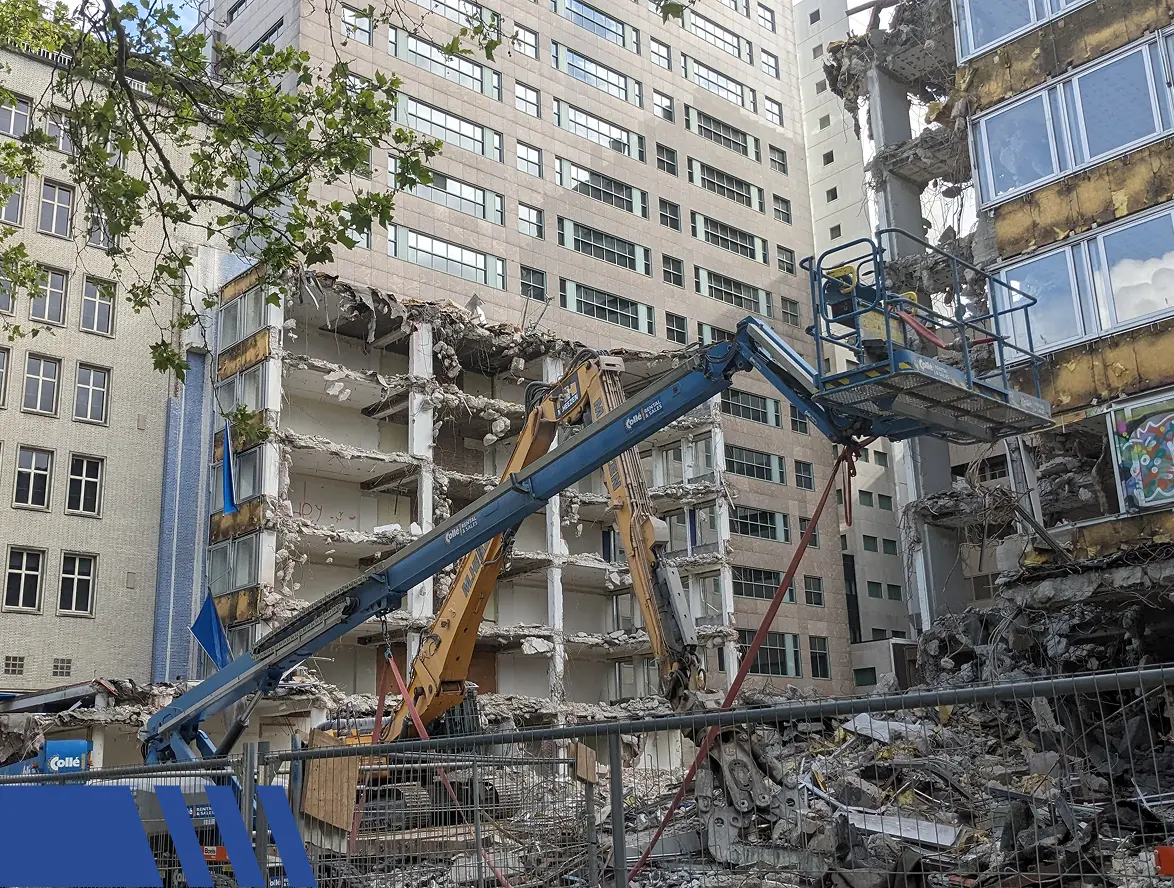
We install real-time monitors on nearby buildings and set conservative limits. If readings get close we slow down or change our method right away. We also set up full dust barriers and run water suppression the entire time.
In neighborhoods like Kensington and Port Richmond we pay extra attention to protecting homes and businesses. We send neighbor notifications early and keep people updated with monitoring data. The goal is to finish the job without causing stress or complaints from the block.
Safety at Height
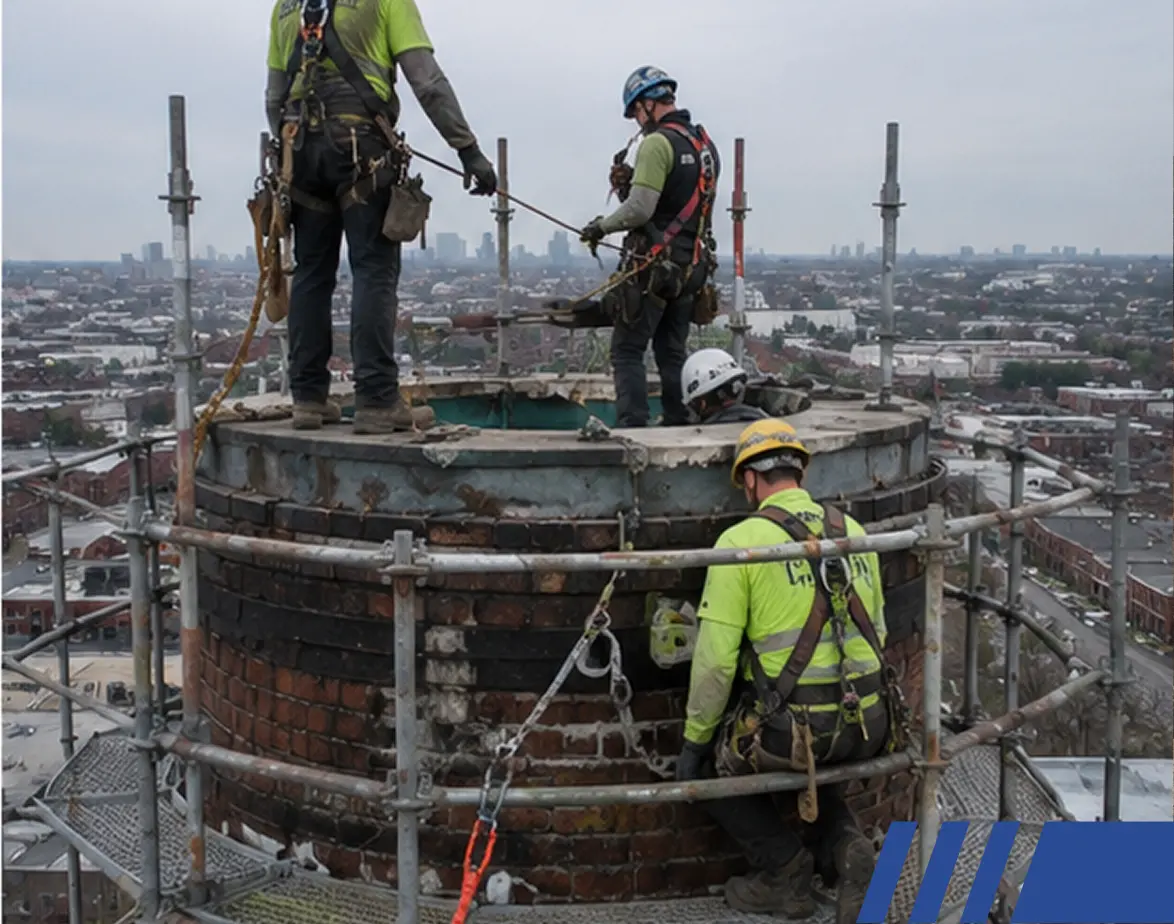
Working at height on chimneys is one of the most dangerous parts of demolition. Every crew member is fully harnessed with multiple attachment points. We use scaffolding or man lifts when possible and never let anyone work alone at elevation. Daily safety meetings cover wind conditions, rigging plans, and emergency procedures.
Our teams stay OSHA trained and follow strict protocols. We have maintained a clean safety record on every chimney project we have done in Philadelphia. We refuse to cut corners even when schedules are tight.
Complete Site Cleanup
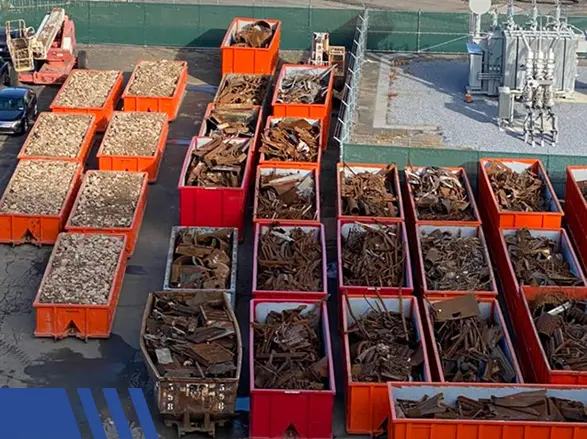
Once the chimney is on the ground we break it into manageable pieces and haul everything away using our own equipment. We remove the base and foundation completely so nothing is left behind. The area gets graded and compacted so the site is ready for the next phase of work.
We document every load with weight tickets and disposal receipts. You get complete records for your files and any environmental reporting.
Why Property Owners Choose Us for Chimney Work
Chimney demolition is one of the highest-risk demolition scopes on a site. Clients choose us because we bring structure, planning, and control to that process.
From the first inspection to final cleanup, everything is handled by one team, which eliminates coordination issues and keeps the project moving without delays or unexpected problems.
A Clear Process That Removes Risk Early
Demolition problems almost always start before work begins. Our process is designed to identify risks early, define the scope clearly and eliminate surprises once the project is underway.

STEP
Get In Touch
The process begins with a call or message to discuss your project goals, timeline and concerns. This initial conversation helps determine whether an onsite review is needed and what level of planning will be required.

STEP
Onsite Investigation
An onsite meeting allows us to evaluate existing conditions, identify risks and understand what the project truly requires. This step is critical to preventing scope gaps later and as a result, we come out multiple days.

STEP
Quote Provided
After the site review a detailed scope and quote are provided based on real conditions not assumptions. This allows pricing to remain stable once work begins.
Ready to Take Down Your Chimney?
Schedule a walkthrough and we will identify risks, define the approach, and give you a clear plan so demolition does not slow your project down.